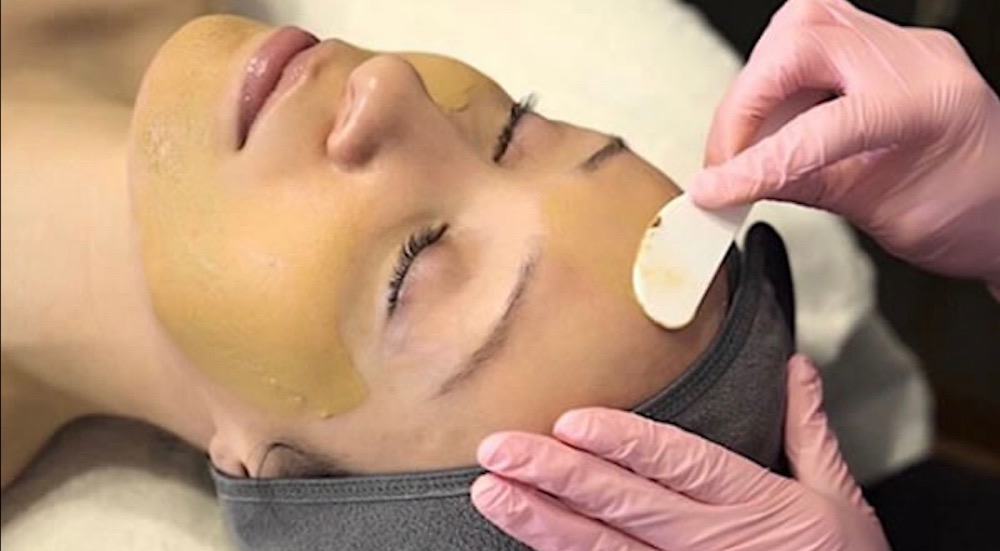
Around the world, women and men complain about hyperpigmentation — skin issues ranging from acne marks, pregnancy melasma, birthmarks, and other stubborn pigmentation. After all, it is one of the common skin concerns that affect many. At Advanced Cosmetic Medicine we often get asked - "What is the best pigmentation removal?"
Hyperpigmentation or dark spots may be common, but it can make some people feel self-conscious about their appearance. Because of this many people try to resolve stubborn skin pigmentation issues by buying a whole line of lightening products, trying out different methods, and even applying homemade remedies, which most of the time cause no result since these are not enough to tackle the cause of discoloration that’s deep within.
However, this does not mean that you can’t treat skin pigmentation anymore. With today’s advanced skin science and technology, experts have come up with a safe and effective treatment for even the most stubborn skin pigmentation — Cosmelan.
The treatment that’s known to be the world’s number 1 depigmentation treatment available.
Cosmelan, the trusted and leading professional depigmentation method, has been in the limelight of skin-lightening treatments. Tried and tested by over 1 million patients and thousands of licensed dermal technicians for its high satisfaction in patients and proven effectiveness.
By the way, you can now experience this treatment and start your fairer glowing skin journey in our clinic at Advanced Cosmetic Medicine.
Cosmelan offers an intense skin rejuvenating solution.
To tell you more about this treatment, it can effectively make long-term effects on the reduction of the following skin issues:
Cosmelan is safe for all skin types.
Cosmelan is a 2-step topical treatment, a layer of medication is applied on the skin in-clinic and then removed at home after some hours depending on the instruction of your dermal technician. Cosmelan’s topical treatment is made of a multi-ingredient formula that works fairly quickly and is gentle and suitable for all skin types.
What we love about Cosmelan is that it is effective yet safe for all skin so, people of any age, ethnicity, and skin tone can enjoy the wonders of Cosmelan and feel more confident about their skin.
It’s non-invasive, so how do I know it’s working?
How true is Cosmelan’s effect? Is it worth it?
This is not just any depigmentation topical treatment, it is proven to be successful, time-tested, and initially done in-clinic by a licensed dermal technician. The treatment’s goal is to correct and take the pigment formation under control, treating visible spots while also managing its source. You will notice fast results in as little as two weeks.
Aside from the treatment's outstanding depigmentation effects, Cosmelan can also effectively reduce fine lines and wrinkles, leave the skin fresher, and restore luminosity achieving youthful glowing skin!
Proven effectiveness and high satisfaction by over a million patients and professionals around the world, Cosmelan works quickly and is virtually pain-free, but it’s normal for patients to observe dryness, redness, and peeling in the first weeks. That’s why it’s important to protect your skin by avoiding sun exposure, using a full spectrum sunblock, and following care instructions, especially while on the treatment.
Don’t worry, a thorough consultation and skin evaluation will be performed before you undergo the treatment. At Advanced Cosmetic Medicine, we make sure that you have a good understanding of your skin condition, the treatment, possible side effects, and the aftercare process.
This depigmentation treatment also follows strict medical standards and is backed by various research and clinical studies to prove the treatment’s safety and tolerance. Since the treatment is a two-phase topical treatment, first is performed in the clinic, and then the home care regime, the whole method might approximately take up to 6 months to see optimum results.
Learn more about the Cosmelan professional depigmentation treatment here: https://www.mesoestetic.com/professional/cosmelan-treatment.html